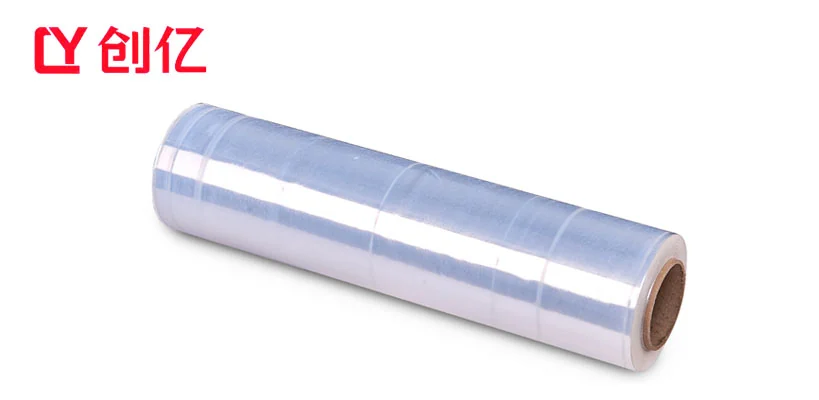
The difference between machine stretch film and hand stretch film starts with the workflow. One is designed for machine-led pallet wrapping. The other is applied directly by an operator. Both can be part of a reliable packaging process, but the right choice depends on volume, equipment, load shape and the way the team controls the wrapping step.
Many buying problems start when a team chooses film by thickness or appearance before describing the pallet and the wrapping method. A better process begins with the load and the equipment.
What is machine stretch film?
Machine stretch film is used with pallet wrapping equipment. The machine controls the wrapping movement and creates a repeatable process around the load. This can be useful for teams that wrap a consistent group of pallets and want a defined workflow.
Machine wrapping still requires setup. The film format must match the equipment. The load needs enough stability for the wrapping cycle. The team should also confirm how the film is stored, loaded and changed during production.
When a buyer asks for machine stretch wrap, include the machine type, pallet size, load height and the current film format. That information is more useful than a general request for “strong stretch film.”
What is hand stretch film?
Hand stretch film is applied directly by an operator. It can be a practical option for mixed loads, lower-volume packing, irregular pallet shapes or work areas without a stretch wrapping machine.
Hand application depends on the operator’s technique. The team should keep the wrapping pattern as consistent as possible and pay attention to the base, corners and top of the pallet. A good hand-wrapping brief describes the load and the reason the film is being used, whether that is grouping, dust protection, light moisture protection or load stabilization.
Hand stretch film is not automatically a low-volume product. Some operations use it for specific loads even when other pallets are machine wrapped. The choice can be made by workflow area rather than by the whole facility.
Machine stretch film or hand stretch film?
Use these questions to decide which conversation to start.
- Is a wrapping machine already in use?
- Are pallet sizes and load shapes consistent?
- How often does the team wrap pallets?
- Does the workflow need repeatable machine tension and wrapping movement?
- Are operators wrapping irregular or mixed loads?
If the answer points to a machine-led process, begin with the machine stretch film page. If operators apply the film directly, review the hand stretch film page.
What information should be included in a quote request?
A useful inquiry does not need to be long. Include the items that affect product fit.
- Pallet length and width
- Approximate load height
- Load shape and stability
- Film application method
- Machine model, if applicable
- Current film width or roll format
- Wrapping frequency
- Storage and transport conditions
- Whether the team wants a sample
If the team is replacing an existing film, include a photo of a wrapped pallet and the current roll label if available. A photo can show loose film tails, exposed corners, unstable layers or other process details that are difficult to describe in a short email.
Common problems are often workflow problems
Film is sometimes blamed when the real issue is the load. A pallet with uneven layers can remain unstable even when a different film is used. A film tail that is not secured can create handling trouble. An operator who changes wrapping direction from one pallet to the next may produce inconsistent results.
The product and the process should be reviewed together. Check the pallet pattern, corner condition, wrapping sequence and storage route before changing material. If the team uses strapping as well, review the PP strapping page or PET strapping page to consider how the two materials fit together.
How to compare samples fairly
Compare samples on similar loads. Record the film format, application method and the way the pallet is handled after wrapping. Look for practical outcomes such as load movement, film breaks, loose ends and operator feedback.
Avoid comparing one film on a stable pallet with another film on a difficult pallet. The load condition changes the result. Keep the packaging process as consistent as possible during the comparison and record what changed.
The supplier should receive the same brief for each sample. That keeps the comparison focused on the actual requirement rather than on a general product claim.
When should a team discuss machine wrapping?
Machine wrapping is worth discussing when the operation has repeatable pallet work, defined equipment and a reason to improve consistency. It may also be relevant when operators spend significant time wrapping similar loads by hand.
The discussion should include machine compatibility and the load. A machine is part of a system. Film, pallet dimensions, wrapping settings and operator practice all interact. Do not select a film solely because it is described as machine stretch wrap.
When is hand wrapping still the right choice?
Hand stretch film remains useful for mixed product areas, irregular loads, small batches and locations where a machine is not practical. It can also support a flexible packing area that handles different pallet sizes throughout the day.
The priority is a consistent method. Train operators on the basic wrapping sequence, keep rolls stored properly and inspect the pallet before it leaves the packing area. If the load needs edge protection, add the paper edge protectors page to the buying brief.
Start with the load, not the label
Machine stretch film and hand stretch film serve different workflows. The best choice becomes clearer when the team records the load, equipment, wrapping frequency and handling route. Then the supplier can discuss the right format without guessing.
Weide Packaging supplies machine stretch film, hand stretch film and related packaging materials. Send the requirement through the Request a Quote page and include a photo or current product label if one is available.
Keep the first request easy to answer
Buyers sometimes delay an inquiry because they believe they need a complete technical specification before contacting a supplier. That is rarely necessary for the first conversation. A short description of the goods, a pallet photo and the current wrapping method can be enough to identify the next questions.
If a packing line has more than one wrapping pattern, describe the common cases separately. For example, mixed pallets may need a different approach from uniform cartons. A clear description helps the supplier distinguish a product issue from a process issue and makes sample discussions more useful.
Record the trial conditions
Keep the sample identification with a photo of the finished pallet and a note of the wrapping method. If equipment settings or the pallet pattern change during the trial, record that change before comparing the results.